Dealing with an incident right now?
Our responders help you work out what has happened, contain it and get the services that matter most back first. We stay with it until it is resolved. You do not need to be a FoxTech client to call.
















What to do in the first hour
Controls do not equal resilience. Two companies with identical security on paper recover in completely different ways.
“I can’t access any of my files” might mean one failed laptop.
It might mean the whole company has been encrypted. The difference matters, and the pressure to act immediately is exactly when the expensive mistakes get made. Experienced responders have seen the pattern before and can tell you which it is.
The reassurance usually comes from three places, and each covers less than it appears to.
A penetration test is a point-in-time check, not continuous assurance. A monitoring service produces alerts, which is not the same as someone acting on them. Tools bought separately protect parts of the estate and leave the gaps between them. Each decision is sensible on its own. Together they can still leave you unable to answer the only question that matters at 2am: can we get running again?
Risk is not one number.
The likelihood of being attacked is half of it, and the half you control least. The other half is what it costs you when it happens: hours or weeks of downtime, whether the backups survive, whether anyone has rehearsed the decisions. That is the half preparation moves. The objective is not to be un-attackable. It is to stop an attack becoming an event that threatens the business.
If there is a ransom demand, do not pay.
The National Cyber Security Centre gives the same advice. Payment funds the next attack, buys a decryption tool that may not work, and rests on the word of the people who just encrypted your systems. We do not negotiate with attackers. We work alongside your insurer, your lawyers and, where required, forensic specialists, and because we also test and run environments, we can close what allowed the incident rather than hand you a report.
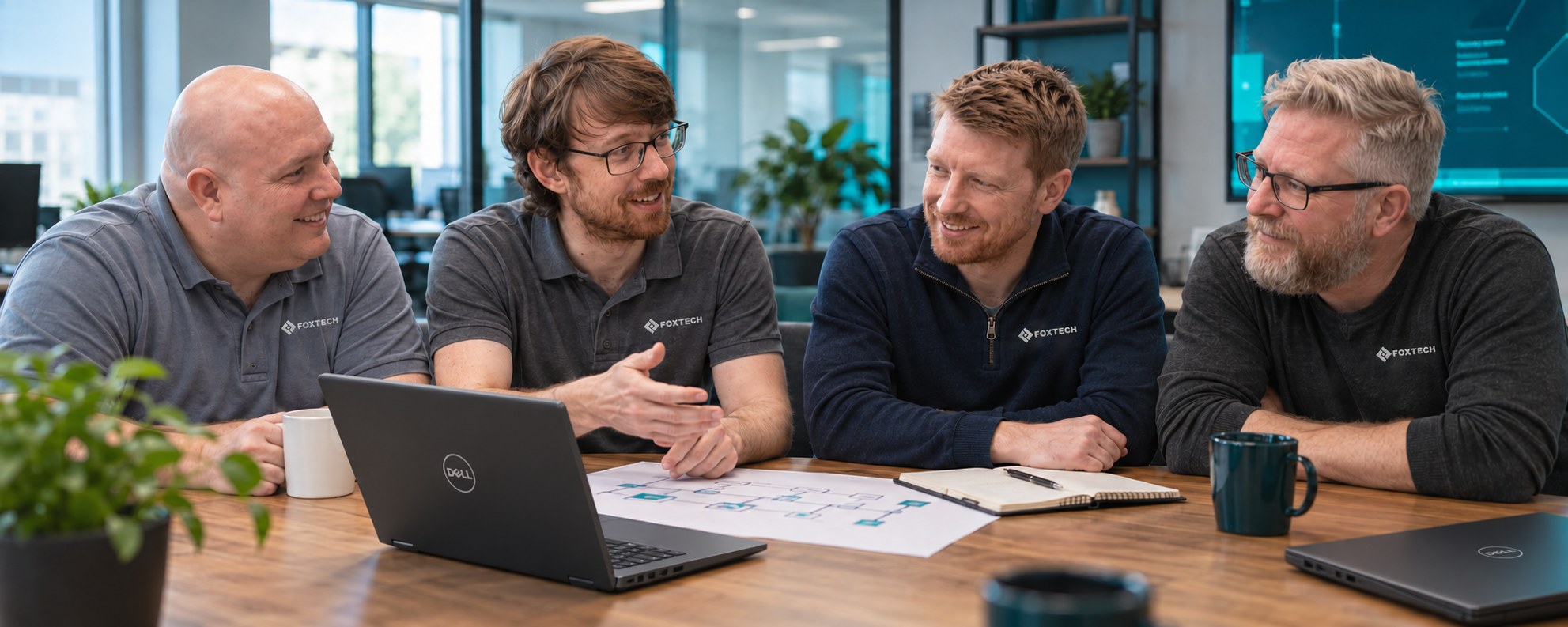

Our responders are senior UK specialists who have led organisations through ransomware attacks that required entire estates to be rebuilt.

The people who take the call
Named senior specialists, not a duty rota you have never met.

25 years leading UK critical national infrastructure.

CREST Practitioner. Advises government and global firms.

12 years leading IT infrastructure and software projects.
Be ready before it happens


Worth a conversation before you need us
If something is happening now, call. If nothing is, this is the cheapest hour you will ever spend on incident response.
